


Introduction:
In today’s fiercely competitive business landscape, agencies across various industries strive to maintain a steady stream of clients and build long-lasting relationships with them. In this pursuit, Customer Relationship Management (CRM) tools have emerged as indispensable assets, revolutionising the way agencies manage and nurture their customer interactions. CRM tools provide a comprehensive and centralised platform to streamline client data, enhance communication, and boost overall efficiency.
This article will provide an in-depth overview of the importance of CRM tools for agencies, highlighting how they facilitate growth, optimise operations, and elevate customer satisfaction.
Some key benefits of CRM Tools for agencies include:
Efficient Data Management:
One of the primary advantages of CRM tools for agencies is their ability to efficiently manage client data. By consolidating information from multiple sources, such as emails, phone calls, and social media interactions, CRM systems create a unified and accessible client database. This centralised repository allows agency teams to have a 360-degree view of each client, including their preferences, past interactions, and purchase history.
With such insights readily available, agencies can personalise their communication, anticipate client needs, and make data-driven decisions, ultimately leading to stronger relationships.
Streamlined Sales and Lead Management:
For agencies, managing leads and converting them into paying clients is paramount. CRM tools simplify this process by automating lead tracking, lead nurturing, and sales pipelines. By automating repetitive tasks, such as sending follow-up emails or setting reminders for upcoming calls, agencies can optimise their sales processes and ensure no opportunity falls through the cracks. Moreover, with real-time updates on lead status and sales performance, agency teams can proactively address potential bottlenecks and strategize to maximise conversions.
Enhanced Communication and Collaboration:
Effective communication is the bedrock of any successful agency-client relationship. CRM tools empower agencies to maintain seamless communication across teams and with clients. With shared access to client information and communication history, different departments within the agency can collaborate efficiently, ensuring a consistent and unified approach to client interactions. Quick access to past conversations and notes ensures that clients receive personalised attention and feel valued, fostering trust and loyalty.
Improved Customer Support:
Client satisfaction is the cornerstone of any thriving agency. CRM tools enable agencies to provide exceptional customer support by streamlining issue tracking and resolution processes. Customer service teams can track support tickets, prioritise urgent queries, and monitor response times, leading to quicker resolutions and happier clients. By capturing feedback and customer sentiment, CRM tools also provide valuable insights for agencies to continuously improve their services and meet evolving client expectations.
Data-Driven Decision Making:
In the era of big data, agencies that leverage data insights have a competitive edge. CRM tools provide agencies with valuable analytics and reports that reveal crucial patterns and trends. From monitoring customer behaviour to tracking campaign performance, CRM-generated data allows agencies to make informed decisions and refine their marketing and sales strategies for optimal results. With actionable data at their disposal, agencies can allocate resources effectively, target the right audience, and identify opportunities for growth.
Customer Relationship Management (CRM) tools have become indispensable assets for agencies seeking sustainable growth and long-term success. By offering streamlined data management, improved communication, efficient lead tracking, and data-driven decision-making capabilities, CRM tools empower agencies to optimise their operations, elevate customer satisfaction, and nurture lasting client relationships. Embracing CRM technology is no longer a choice; it is a strategic imperative that paves the way for agencies to thrive in an increasingly competitive marketplace.
In this article we’ll cover more on CRM systems and will highlight some of the top platforms out there for a range of different reasons and use cases. Ultimately helping you to find the perfect fit for your agency.
So let’s get started:
HubSpot CRM:
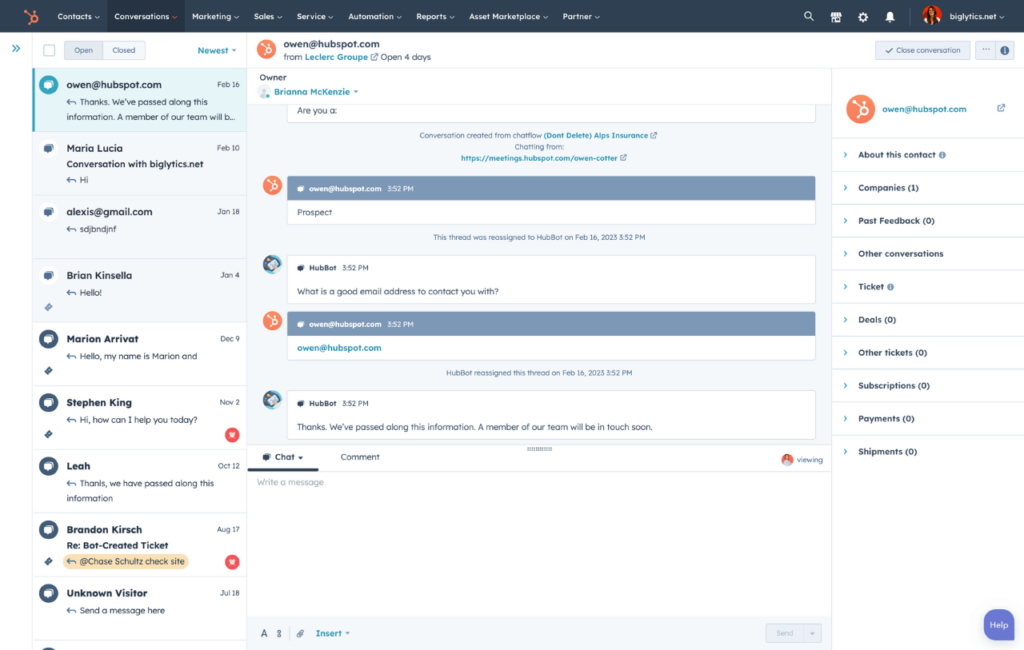
First up is HubSpot CRM which has emerged as a popular choice among businesses and agencies seeking an efficient and user-friendly customer relationship management solution. Central to its appeal is its intuitive interface, which simplifies the management of customer data and interactions, allowing businesses to focus on building lasting relationships with clients. In addition to its user-friendly design, HubSpot CRM seamlessly integrates with other HubSpot tools, creating a powerful ecosystem that empowers businesses with a holistic approach to marketing, sales, and customer support.

Some other key features include:
User-Friendly Interface:
One of the standout features of HubSpot CRM is its user-friendly interface, designed to cater to businesses of all sizes, including those without extensive technical expertise. The platform boasts a clean and organised layout, allowing users to navigate effortlessly and access critical data with ease. From tracking lead interactions to managing customer communications, every aspect of the CRM is thoughtfully designed to ensure a smooth user experience.
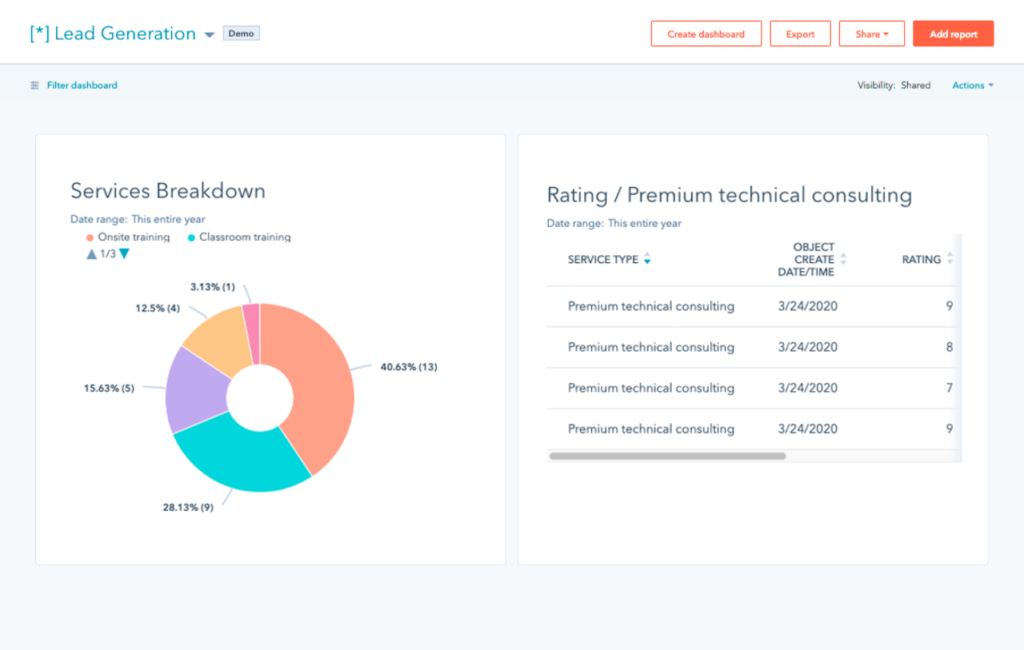
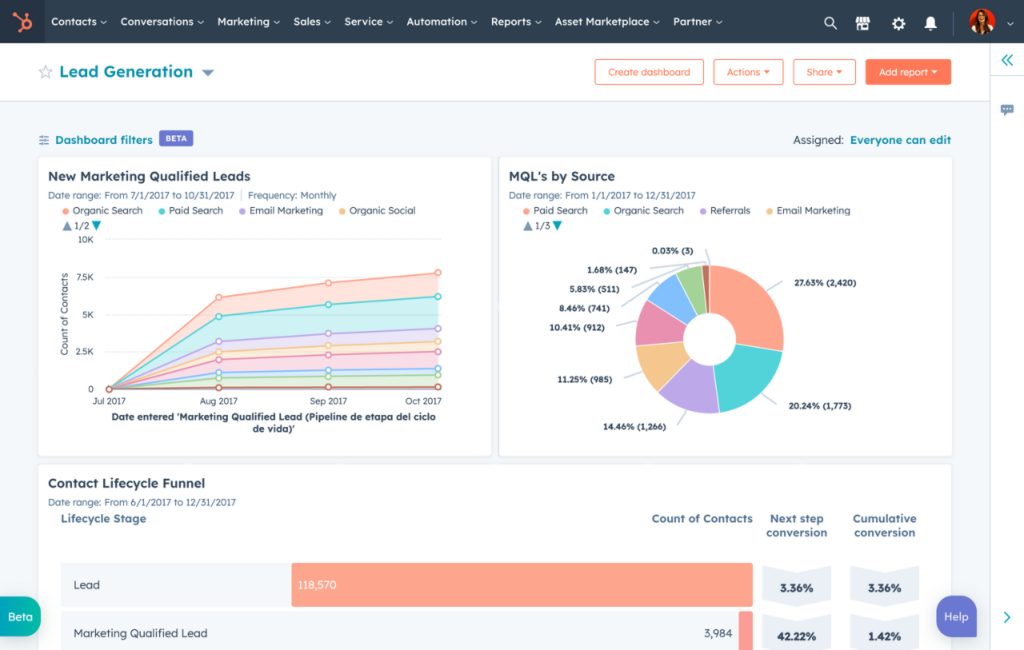
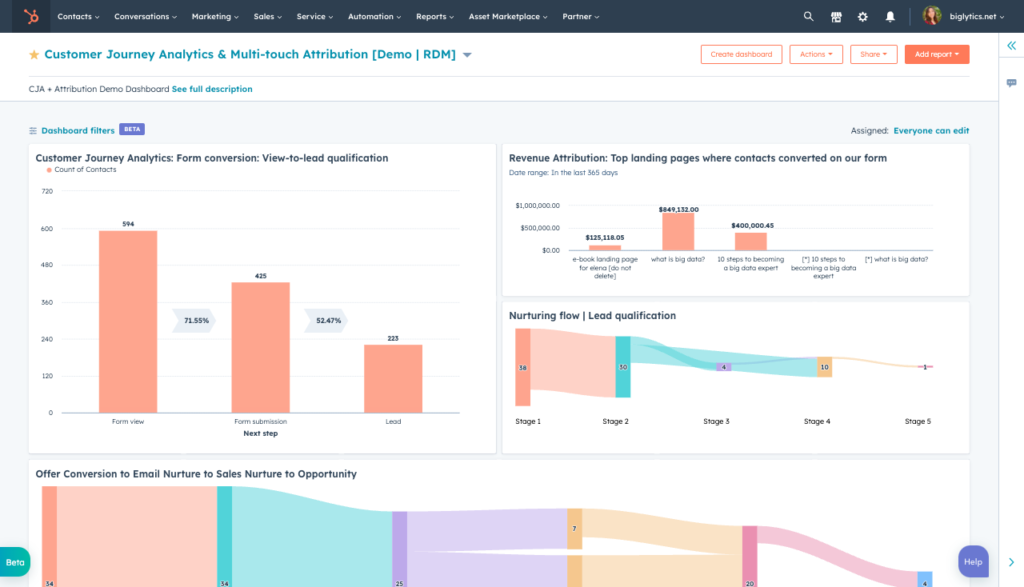
HubSpot CRM’s dashboard provides a comprehensive overview of sales activities, lead generation efforts, and customer support interactions. Users can customise their dashboard to display the key metrics and data most relevant to their specific roles and responsibilities. With drag-and-drop functionality, personalised settings, and a seamless mobile app, HubSpot CRM empowers users to manage their workflows efficiently and stay productive on the go.
Seamless Integration with HubSpot Tools:
HubSpot CRM forms the core of the HubSpot Growth Platform, which encompasses a suite of marketing, sales, and customer service tools. This seamless integration allows businesses to consolidate their data and efforts within one platform, promoting efficiency and collaboration across different departments.
The integration with HubSpot Marketing Hub enables businesses to capture leads directly from their website and marketing campaigns. Lead data flows seamlessly into the CRM, allowing sales teams to nurture and convert leads effectively. Automated workflows sync customer data between the CRM and marketing platform, ensuring consistency and accuracy in customer records.
Moreover, integration with HubSpot Sales Hub enhances sales productivity by streamlining lead tracking, email communication, and sales automation. Sales representatives can easily manage their pipelines, prioritise leads, and engage prospects with personalised email sequences. By tracking email opens and link clicks directly in the CRM, sales teams gain valuable insights into lead engagement, enabling them to tailor follow-up communications strategically.
The HubSpot Service Hub integration rounds out the ecosystem, enabling businesses to deliver exceptional customer support. Service interactions and support tickets are managed directly within the CRM, allowing customer service teams to resolve issues efficiently and maintain a record of customer interactions. The integration also provides valuable feedback loops, helping businesses identify areas for service improvement and customer satisfaction enhancement.
Roundup Point:
HubSpot CRM’s user-friendly interface and seamless integration with other HubSpot tools create a compelling solution for businesses seeking to optimise their customer relationship management efforts. The intuitive interface simplifies data management and empowers users to make informed decisions effortlessly. With its holistic ecosystem, HubSpot CRM enables businesses to align their marketing, sales, and customer support efforts cohesively, fostering improved collaboration and driving sustainable growth. By leveraging HubSpot CRM’s powerful features, businesses can enhance their customer interactions, nurture leads effectively, and build strong, lasting relationships with clients.
How Agencies Can Utilise HubSpot’s Inbound Marketing Approach for Lead Generation and Nurturing:
Inbound marketing has become a cornerstone of modern marketing strategies, focusing on attracting, engaging, and delighting potential customers through valuable content and experiences. HubSpot, a leading inbound marketing and sales platform, offers agencies a comprehensive set of tools to implement an effective inbound marketing approach for lead generation and nurturing. By leveraging HubSpot’s powerful features, agencies can create compelling content, nurture leads through personalised journeys, and optimise their marketing efforts for sustainable business growth.
Creating Compelling Content:
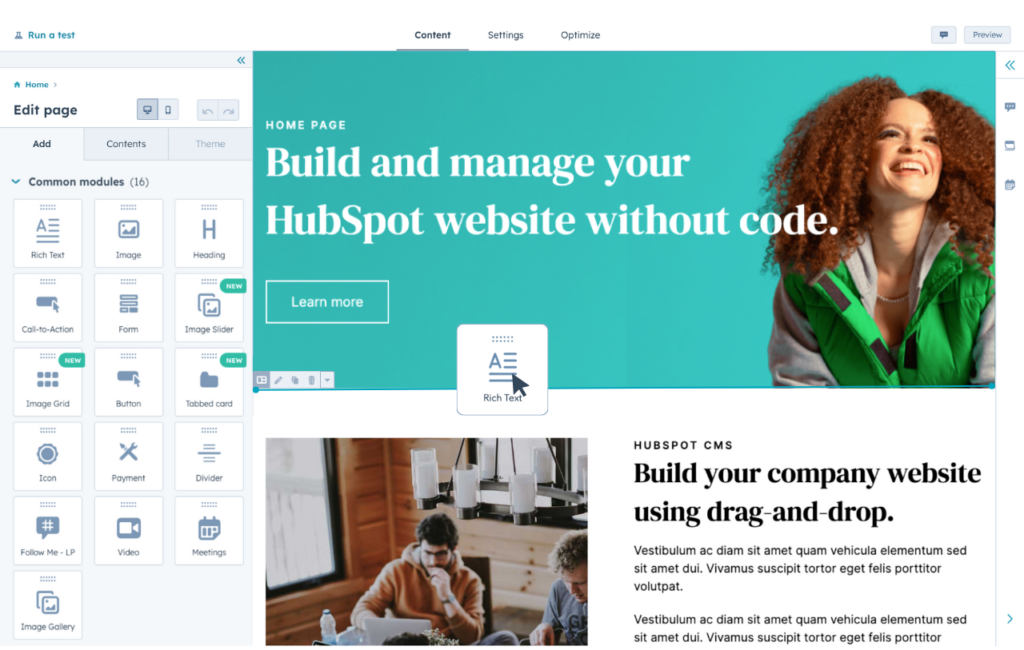
Content lies at the heart of inbound marketing, and HubSpot provides agencies with robust content creation and management capabilities. Agencies can use HubSpot’s content tools to create engaging blog posts, eBooks, infographics, and videos that resonate with their target audience. By understanding the pain points and interests of their ideal customers, agencies can tailor their content to address specific needs and provide valuable solutions.
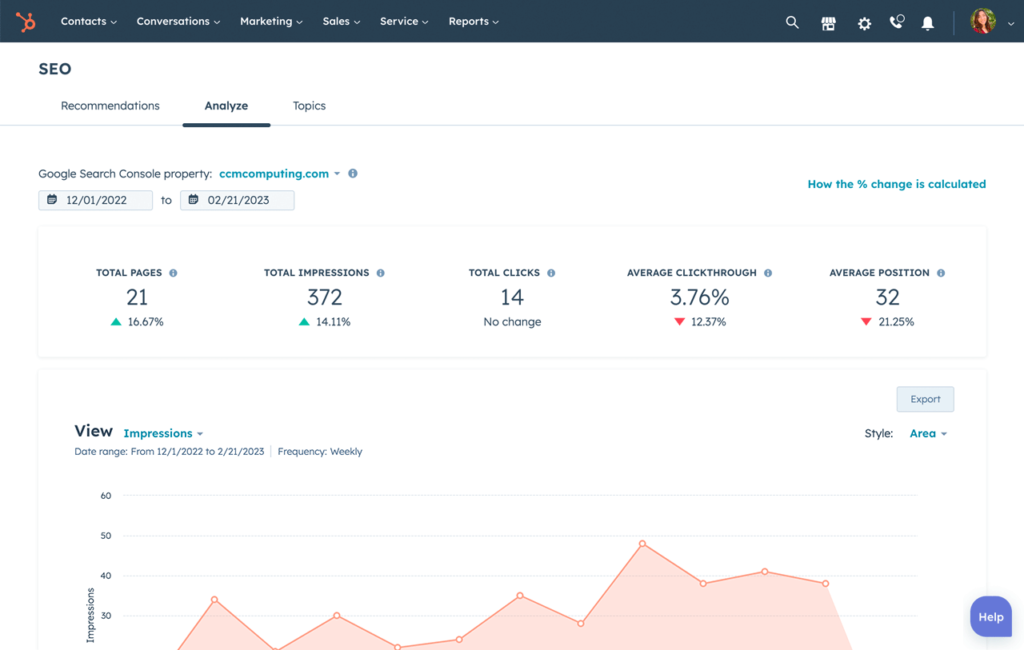
HubSpot’s content management system allows agencies to organise and optimise their content effectively, making it easily accessible to potential leads. Additionally, the platform’s built-in SEO tools help agencies optimise their content for search engines, increasing their visibility and attracting organic traffic to their website.
Lead Generation with Landing Pages and Forms:
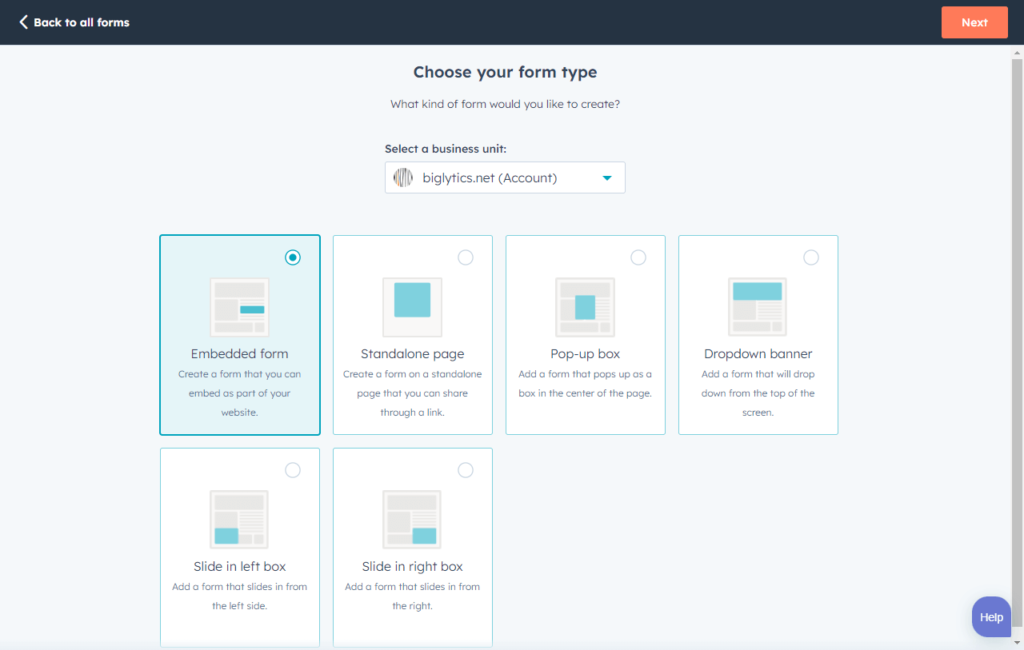
HubSpot’s landing page builder enables agencies to design visually appealing and conversion-focused landing pages. These landing pages act as lead magnets, offering valuable content in exchange for visitors’ contact information. By creating compelling offers and forms, agencies can capture lead data and begin nurturing relationships with potential customers.
Smart forms, a feature within HubSpot, allow agencies to personalise forms based on a lead’s previous interactions, making the lead capture process more efficient and user-friendly. This personalised approach enhances the overall user experience, increasing the likelihood of lead conversion.
Nurturing Leads through Workflows:
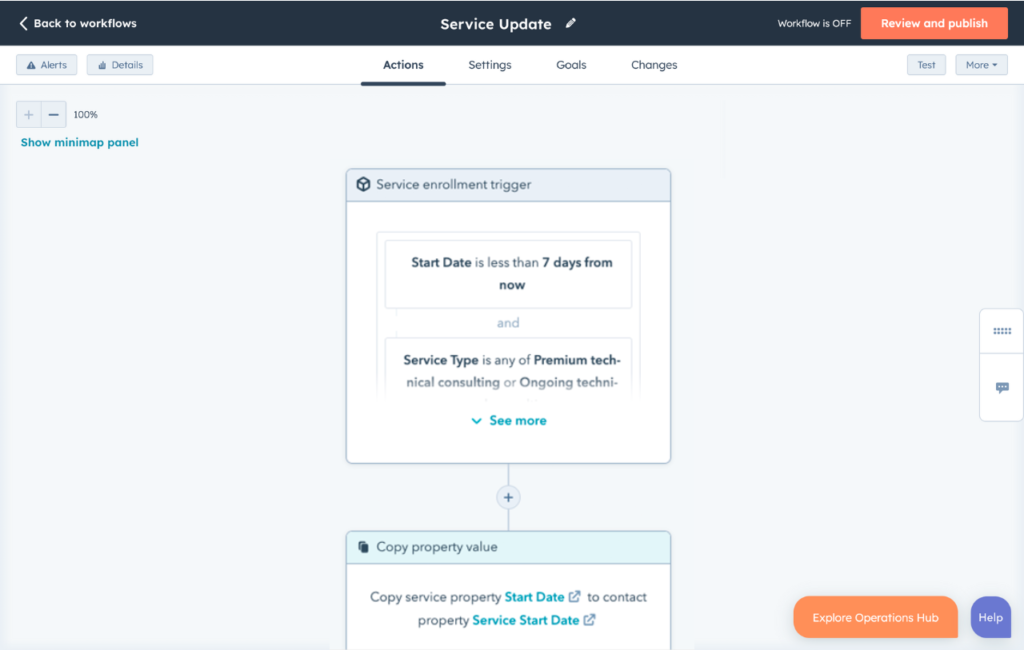
HubSpot’s marketing automation tools empower agencies to nurture leads through personalised workflows. Workflows enable agencies to automate the delivery of targeted content and emails to leads based on their behaviours, preferences, and interactions with the brand.
Agencies can create nurture sequences that guide leads through their buying journey, delivering relevant content at each stage. By segmenting leads into different buyer personas and lifecycle stages, agencies can tailor their communication and provide a personalised experience that resonates with each lead.
Lead Scoring and Sales Alignment:
HubSpot’s lead scoring feature allows agencies to prioritise and identify highly qualified leads based on their interactions with the brand. By assigning scores to lead actions, such as website visits, content downloads, and email engagement, agencies can determine the readiness of a lead to make a purchasing decision.
HubSpot’s seamless integration with its CRM allows for effective alignment between marketing and sales teams. Marketing-qualified leads can be seamlessly transferred to the sales team, ensuring a smooth handover and enabling sales reps to focus on leads that are most likely to convert.
Measuring and Optimising Marketing Efforts:
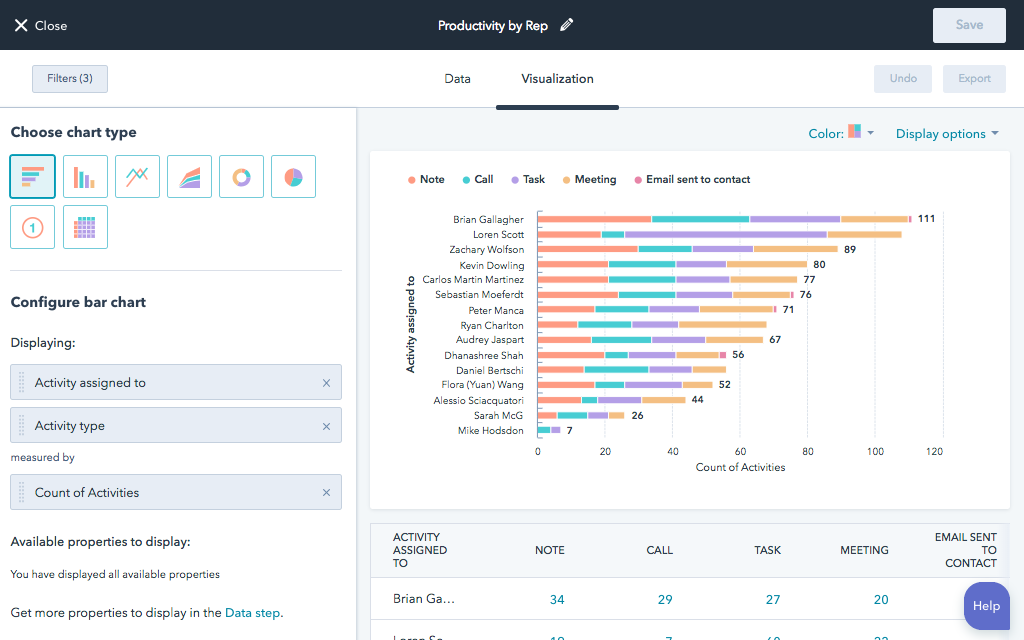
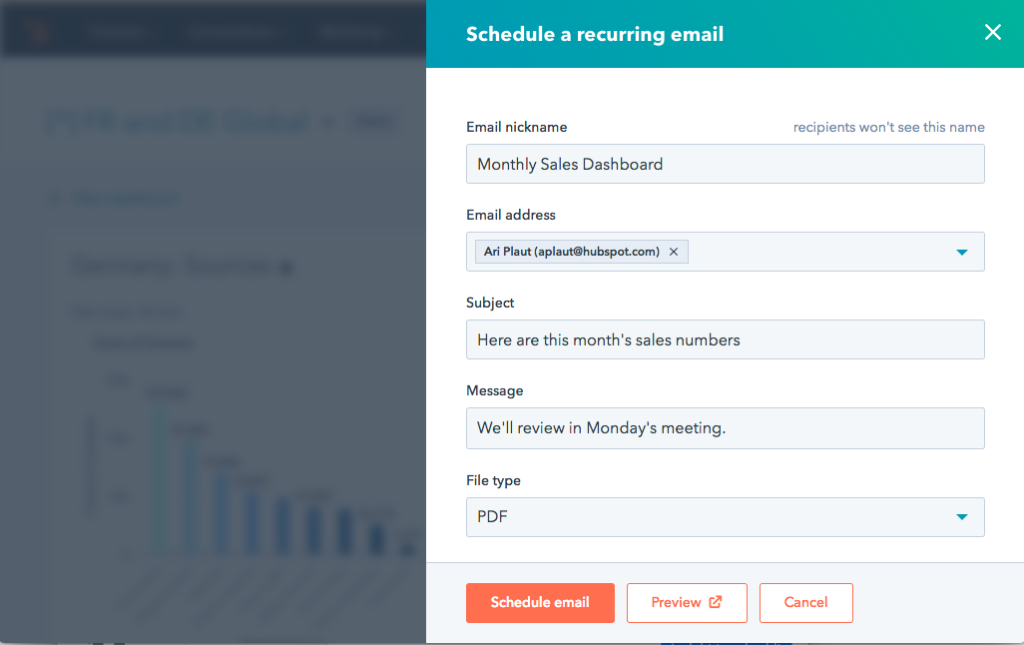
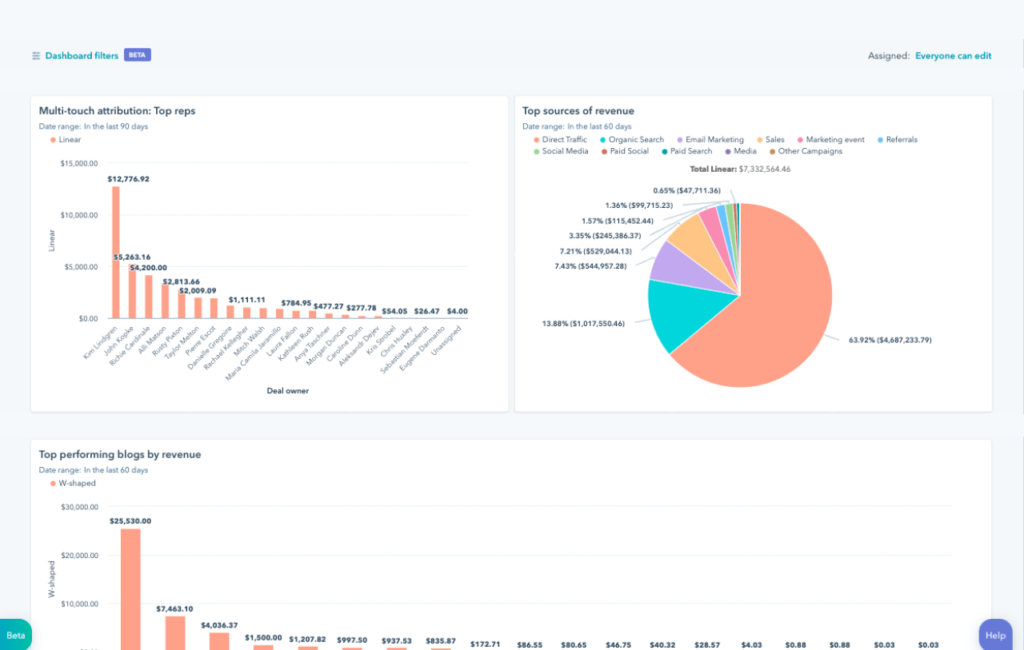
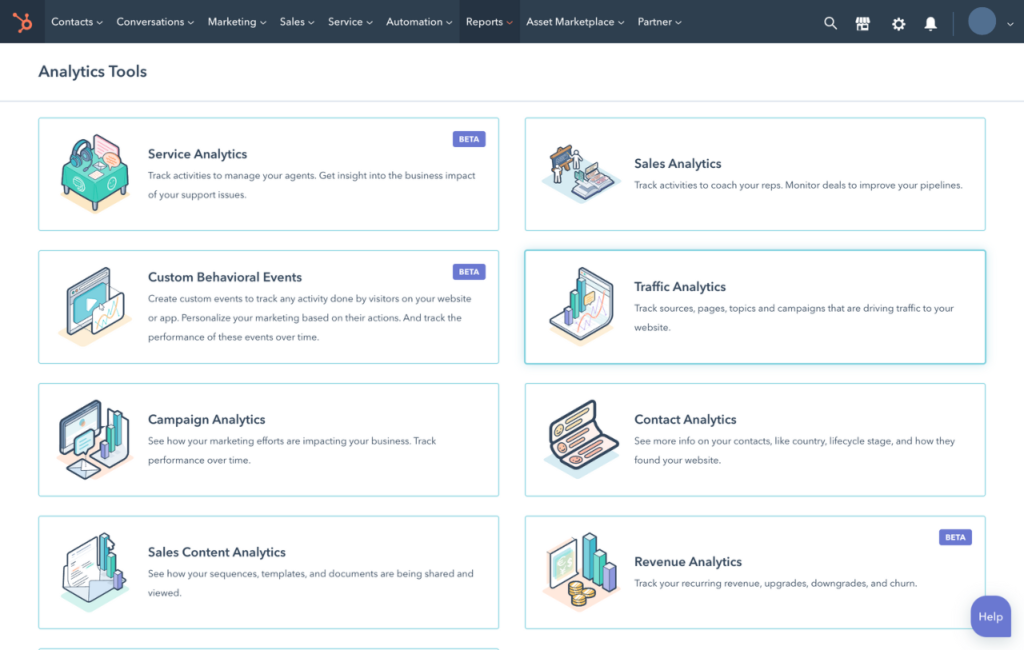
HubSpot’s robust analytics and reporting tools provide agencies with actionable insights into their marketing performance. By tracking key metrics, such as website traffic, conversion rates, and lead sources, agencies can identify what strategies are driving results and which areas require optimisation.
With data-driven insights, agencies can refine their inbound marketing strategies, experimenting with different content types, messaging, and lead nurturing tactics. Continuous optimisztion based on data analysis ensures that agencies maximise their marketing ROI and stay ahead of the competition.
Roundup Point:
HubSpot’s inbound marketing approach offers agencies a comprehensive suite of tools and features to attract, engage, and nurture leads effectively. By leveraging compelling content, lead generation strategies, personalised workflows, and data-driven insights, agencies can build strong, lasting relationships with potential customers. The seamless integration of marketing and sales efforts within the HubSpot platform streamlines the lead nurturing process, ensuring a smooth transition from marketing-qualified leads to sales-qualified opportunities. Ultimately, by adopting HubSpot’s inbound marketing approach, agencies can drive sustainable lead generation, nurture valuable customer relationships, and achieve long-term business growth.
Explore a wide range of Hubspot images:
Versions & Pricing:
HubSpot offers a range of plans, including a free version and affordable paid plans, catering to agencies of various sizes and needs.
Let’s explore the features and benefits of each:
HubSpot Free CRM:
The HubSpot Free CRM serves as an excellent starting point for agencies looking to implement a basic customer relationship management solution without incurring any costs. The free CRM provides essential tools to manage and nurture client relationships, making it suitable for startups, small agencies, and those with limited budgets.
Key Features:
- Contact Management: Store and organise client information in a centralised database.
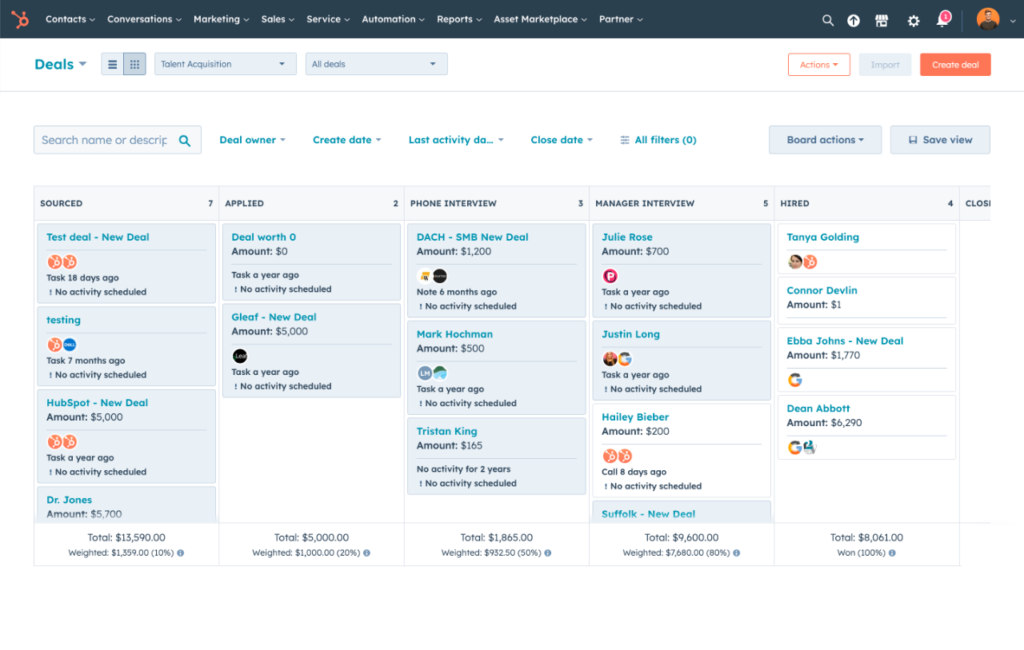
- Deal Tracking: Monitor and manage sales deals through the pipeline.
- Task and Activity Tracking: Set reminders and track interactions with clients.
- Email Integration: Sync email conversations with clients directly to the CRM.
HubSpot Starter Plan:
The Starter Plan is an affordable option tailored for growing agencies that need more advanced features to scale their marketing and sales efforts. This plan includes all the features of the Free CRM and adds additional tools for lead generation and marketing automation.
Key Features:
- Marketing Hub Starter: Create landing pages, forms, and lead nurturing campaigns.
- Email Marketing: Send personalised and automated emails to prospects and clients.
- Ad Management: Manage and track ad campaigns across different platforms.
- Basic Reporting: Access basic analytics to measure marketing performance.
HubSpot Professional Plan:
The Professional Plan is designed for mid-sized agencies that require more comprehensive marketing and sales automation tools to fuel their growth. This plan includes all the features of the Starter Plan and provides more advanced capabilities for lead generation, lead scoring, and reporting.
Key Features:
- Marketing Automation: Create complex workflows for lead nurturing and engagement.
- Smart Content: Customise website content based on individual visitor preferences.
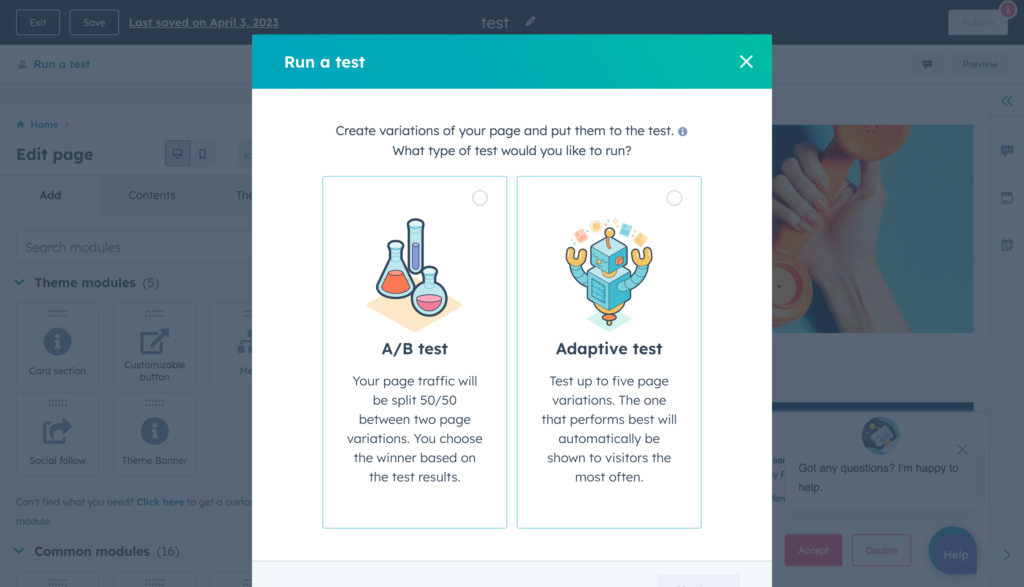
- A/B Testing: Conduct split tests to optimise marketing campaigns.
- Advanced Reporting: Gain deeper insights into marketing and sales performance.
HubSpot Enterprise Plan:
The Enterprise Plan is HubSpot’s most robust offering, catering to larger agencies with complex marketing and sales operations. It includes all the features of the Professional Plan and provides additional tools for advanced reporting, custom event triggers, and increased automation capabilities.
Key Features:
- Custom Event Triggers: Create custom workflows based on specific actions and events.
- Advanced Reporting Dashboards: Access in-depth analytics and customizable dashboards.
- Predictive Lead Scoring: Use machine learning to prioritise high-value leads.
- Multi-Touch Revenue Attribution: Track revenue generated from multiple marketing touchpoints.
It’s important to note that HubSpot’s plans are scalable, allowing agencies to upgrade or downgrade based on their evolving needs. As an agency grows, it can take advantage of the advanced features in higher-tier plans to optimise lead generation, nurture client relationships, and drive business growth. Whether an agency is just starting or already well-established, HubSpot’s range of plans ensures that there is a suitable option to meet their specific requirements and budget constraints.
Explore a wide range of Hubspot images:
Zoho CRM:
A Versatile Solution with a Wide Range of Features and Affordability for Agencies of all sizes.
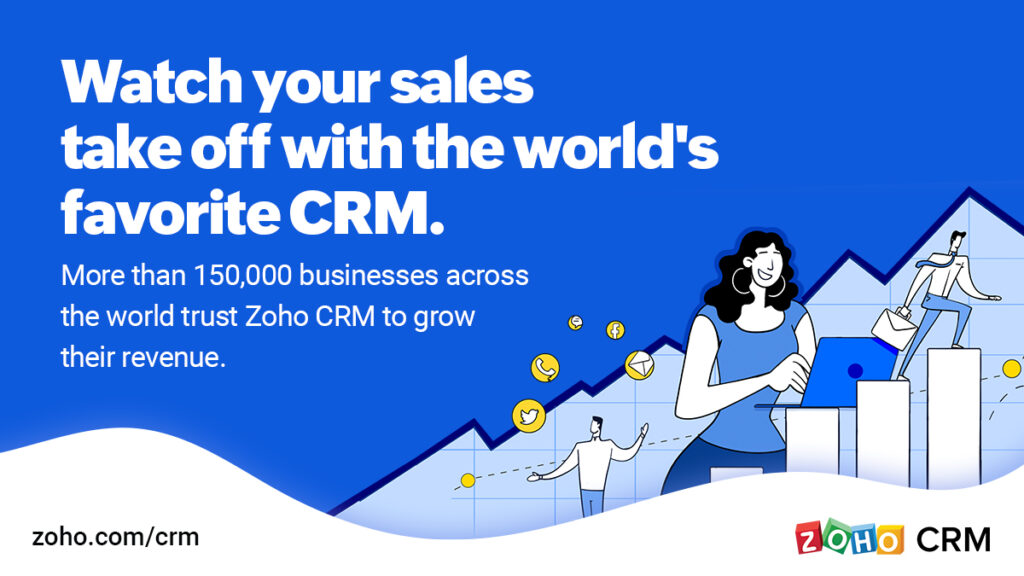
Zoho CRM has established itself as a popular customer relationship management solution that caters to businesses and agencies of all sizes. Renowned for its versatility and extensive feature set, Zoho CRM empowers agencies to efficiently manage their client relationships, streamline sales processes, and optimise marketing efforts. One of its key advantages is its affordability, making it an attractive choice for startups, small businesses, and larger enterprises alike. Let’s explore the wide range of features that Zoho CRM offers and how its affordability makes it accessible to agencies with diverse needs.
Comprehensive Contact Management:
Zoho CRM provides a centralised and comprehensive database to manage client information, interactions, and communication history. From leads to prospects and existing clients, agencies can organise and categorise contacts effectively, ensuring no critical details are overlooked. This unified view enables agencies to personalise interactions, anticipate client needs, and deliver exceptional customer experiences.
Lead Management and Automation:
Zoho CRM’s lead management capabilities empower agencies to capture, track, and nurture leads through various stages of the sales funnel. The platform offers automation tools to streamline lead nurturing, ensuring that leads receive timely and relevant communications. By automating repetitive tasks, agencies can focus on building relationships with prospects and converting them into satisfied customers.
Sales Process Optimisation:
With Zoho CRM, agencies can define and automate their sales processes, creating standardised workflows for different sales stages. Sales representatives can efficiently track their pipeline, monitor deal progress, and prioritise high-value opportunities. The platform’s forecasting and reporting features provide valuable insights into sales performance, enabling agencies to make data-driven decisions.
Marketing Integration and Campaign Management:
Zoho CRM seamlessly integrates with Zoho’s suite of marketing tools, providing agencies with an end-to-end solution for lead generation and nurturing. By leveraging Zoho Campaigns, agencies can create targeted email campaigns, monitor campaign success, and sync lead data directly into the CRM. This integration fosters collaboration between marketing and sales teams, ensuring a cohesive approach to client engagement.
Customisation and Third-Party Integrations:
Zoho CRM offers extensive customization options, allowing agencies to tailor the platform to their unique requirements. Custom fields, modules, and layouts enable agencies to adapt Zoho CRM to their specific business processes seamlessly. Furthermore, the platform supports integrations with numerous third-party apps, expanding its functionality and ensuring compatibility with existing tools.
Affordability for All Agency Sizes:
Zoho CRM’s affordability is a key factor that makes it appealing to agencies of all sizes. The platform offers a range of pricing plans, including a free version for basic CRM needs. As an agency grows, it can upgrade to higher-tier plans that offer more advanced features and increased storage capacity. This scalability ensures that Zoho CRM remains a cost-effective solution as agencies expand their operations and client base.
Roundup Point:
Zoho CRM stands out as a versatile and budget-friendly customer relationship management solution suitable for agencies of all sizes. Its extensive feature set covers every aspect of client management, lead tracking, and sales optimization. The platform’s affordability makes it an attractive choice for startups and small businesses, while its scalability ensures it remains a viable option as agencies grow and evolve. With Zoho CRM, agencies can enhance client relationships, drive sales efficiency, and achieve sustainable business growth in a cost-effective and user-friendly manner.
Exploring the App:
The Zoho CRM mobile app is a powerful tool that enables users to stay connected and productive while on the go. Available for both iOS and Android devices, the mobile app provides access to essential CRM features and real-time data, ensuring that agents and sales representatives can manage client relationships from anywhere
Key Features of Zoho CRM Mobile App:
Contact Management:
View and update client information, including contact details, communication history, and notes, directly from the mobile app. This ensures that crucial client data is always at your fingertips.
Task and Activity Tracking:
Stay on top of tasks and appointments with the mobile app’s task management and calendar features. Users can add, edit, and prioritise tasks, ensuring that important activities are never missed.
Lead and Deal Tracking:
Monitor leads through the sales funnel and track the progress of deals on the go. The mobile app allows users to update deal stages, add notes, and access deal-related information in real-time.
Notifications and Reminders:
Receive instant notifications for new leads, assigned tasks, and upcoming meetings. Reminders ensure that users stay proactive and responsive to client interactions.
Offline Access:
The mobile app offers offline access to critical data, allowing users to continue working even without an internet connection. Once online, changes made offline are automatically synced with the CRM.
Zoho CRM Automation Tools:
Zoho CRM provides robust automation capabilities, enabling agencies to streamline repetitive tasks, enhance productivity, and deliver personalised customer experiences.
Key Automation Features:
Workflow Automation:
Create custom workflows that automate lead nurturing, follow-up emails, and task assignments based on predefined conditions and triggers. This ensures that leads receive timely and relevant communications, optimising the sales process.
Email Automation:
Set up email templates and schedule automated email campaigns for specific segments of leads or clients. Email automation saves time and enables personalised communication at scale.
Web Forms and Lead Capture Automation:
Automate lead capture from website forms, social media, and landing pages. New leads are automatically added to the CRM, reducing manual data entry.
Sales Process Automation:
Define and automate sales stages, ensuring that sales representatives follow standardised processes and that deal progress is tracked consistently.
Macro and Blueprint Automation:
Zoho CRM offers advanced automation tools like Macros and Blueprints, allowing businesses to automate complex tasks and ensure a consistent and error-free sales process.
Third-Party Integrations:
Zoho CRM integrates seamlessly with a wide range of third-party applications, enhancing its functionality and enabling agencies to leverage their existing tools efficiently.
Popular Third-Party Integrations:
Zoho One:
Zoho CRM is part of the comprehensive Zoho One suite, integrating with other Zoho apps such as Zoho Campaigns, Zoho Projects, and Zoho Books for a complete business solution.
G Suite and Office 365:
Integration with G Suite and Office 365 allows users to sync emails, contacts, and calendar events between Zoho CRM and their preferred productivity suites.
Marketing Automation Tools:
Integrate Zoho CRM with popular marketing automation platforms like Mailchimp, HubSpot, and Marketo to synchronise lead data and campaigns seamlessly.
E-commerce Platforms:
Connect Zoho CRM with e-commerce platforms like Shopify and WooCommerce to manage customer data and order information effectively.
Summary:
The Zoho CRM mobile app, automation tools, and third-party integrations make it a versatile and powerful solution for agencies seeking to optimise client management and sales processes. The mobile app empowers users to stay connected and productive on the go, while automation tools streamline tasks and improve productivity. The ability to integrate with a wide range of third-party applications ensures seamless data flow and expands Zoho CRM’s functionality to meet specific agency needs. With Zoho CRM, agencies can leverage automation, access real-time data, and deliver exceptional customer experiences, all while benefiting from the flexibility and affordability the platform offers.
Roundup:
We may include more in the future so if you have any CRM systems that you use at your agency that you think are worth a mention let us know in the comments!


